The drive from Doha or Dubai toward the Gulf of Oman carries a particular kind of anticipation. You leave the glass and concrete behind, cross the Hajar mountains, and then the air changes as the coast opens up near Dibba and Fujairah. What many divers forget is that the shore logistics matter as much as the boat schedule. Finding a safe place to leave the car and a sensible spot to sleep can turn a rushed weekend into something closer to a proper coastal rhythm. The reefs have recovered more than once after Cyclone Gonu and the 2009 red tide, and they reward the diver who arrives calm and ready.
East coast diving in the United Arab Emirates runs on short boat rides. Most sites sit close to shore, with marine life influenced by Indian Ocean water, and the local reefs are full of small surprises, from clownfish and jawfish to green turtles and whip corals. But the road down to the water has its own questions, and this guide answers them without pretending every pullout is a campsite. A little order in the boot, a sensible base, and a clear idea of the boat schedule will keep the weekend moving.
Road Access and Parking at the Main Launch Points
The busiest launch area is Dibba Al-Fujairah, where morning and afternoon boat dives run daily and a night dive leaves on Fridays. Parking here is generally straightforward near the harbour and marina zones, but weekend pressure can fill the obvious spaces by mid-morning. Arrive early, lock the car, and keep nothing visible on the seats. The coast road is well maintained, yet the final few hundred metres to some beaches can be loose gravel or packed sand.
Fujairah city offers more formal parking near hotels and dive operator meeting points, which suits anyone joining a weekday or private group trip. The shore sites around Snoopy Island and the nearby rocks are reached through small beach entrances rather than grand marinas. Some gates close after dark, so check the return time for a Friday night dive before you leave the vehicle. A little planning means you will not be hunting for a gap in the fence with wet gear in your arms.
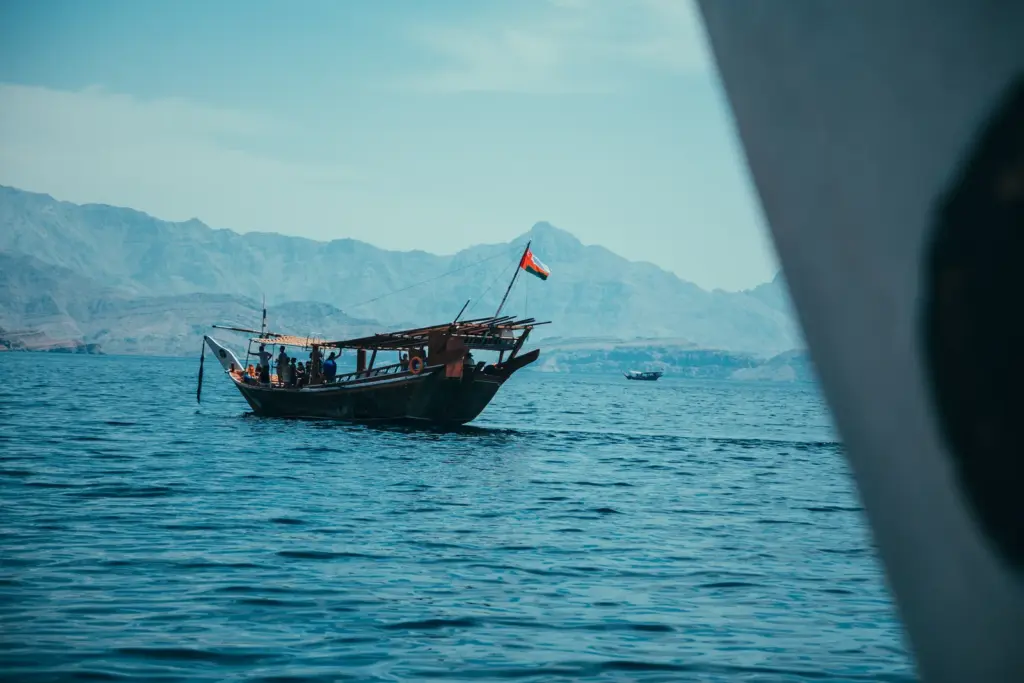
Musandam is a different case because the border crossing adds paperwork and time. Day trips from Dibba can include a fjord cruise and lunch onboard, but if you drive into Oman yourself, the car needs to be legal for the crossing and parked at the operator’s meeting point. The overnight dhow trips add a night on the water and up to six dives, which removes the parking question almost entirely once you are aboard. Still, the car left at the border-side lot should be treated like any long-stay vehicle.
Overnight Options Along the Fujairah and Dibba Coast
Sleeping Near the Harbour Without a Booking
The simplest option is a hotel or guesthouse in Dibba or Fujairah, where you can rinse gear and get an early start. Prices climb on weekends, and rooms can sell out when the weather is calm and the visibility reports look good. If you are travelling from Qatar, the flight to Dubai or Sharjah followed by a hire car is often easier than driving the whole way, but the same overnight logic applies. Book the first night, then decide whether to stay put or move closer to the next launch point.
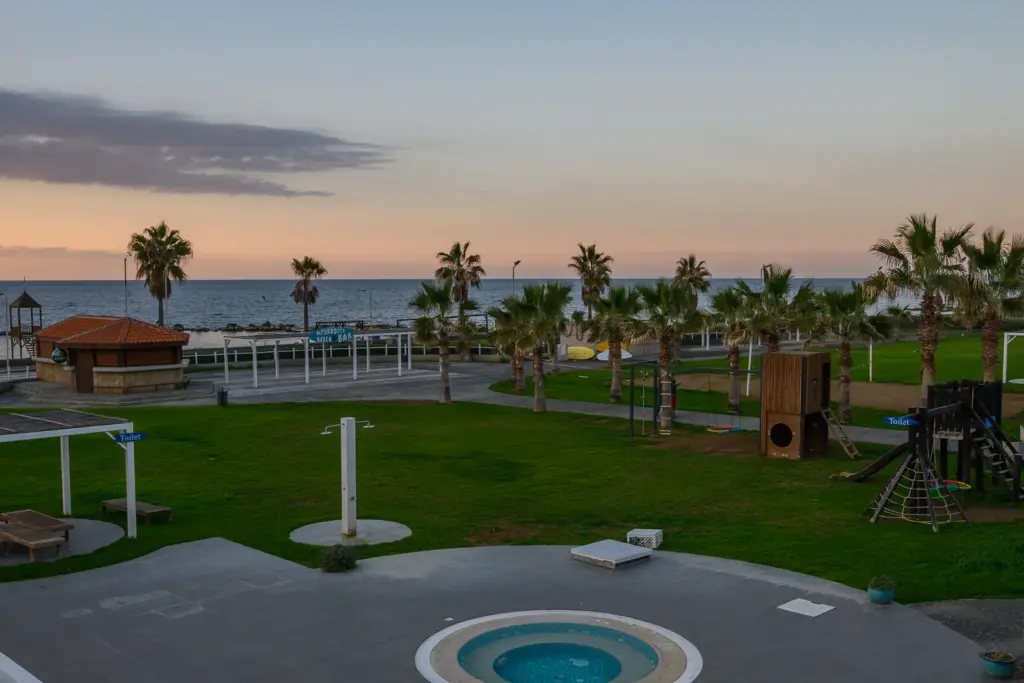
Beach camping is possible in some areas, but it is not a free-for-all. Local rules vary, and the best approach is to ask the dive operator or a local authority before unrolling a sleeping bag. Some wadi mouths and gravel flats look inviting after dark, yet they can be active with local traffic or off-limits for environmental reasons. A small camp stove and a rubbish bag are non-negotiable if you do find a legal spot.
Staying on the Water as a Practical Alternative
The overnight dhow trips in Musandam solve the accommodation problem with a different kind of comfort. You sleep on board, dive up to six times, and wake with the fjord around you rather than a car park. The group size is limited to five divers per guide on some trips, which keeps the deck manageable. Passport and permit details are listed on the trip pages, so read them before the border, not at the counter.
For Fujairah weekends, a night dive on Friday can pair well with a simple hotel stay and a Saturday morning boat. That rhythm spares you from packing a tent and still gives you the feeling of a full coastal weekend. The east coast is compact enough that Dibba, Fujairah and even the approach to Musandam can share one base. You just need to be willing to drive twenty or thirty minutes in the morning.
Packing the Car for a Dive Weekend
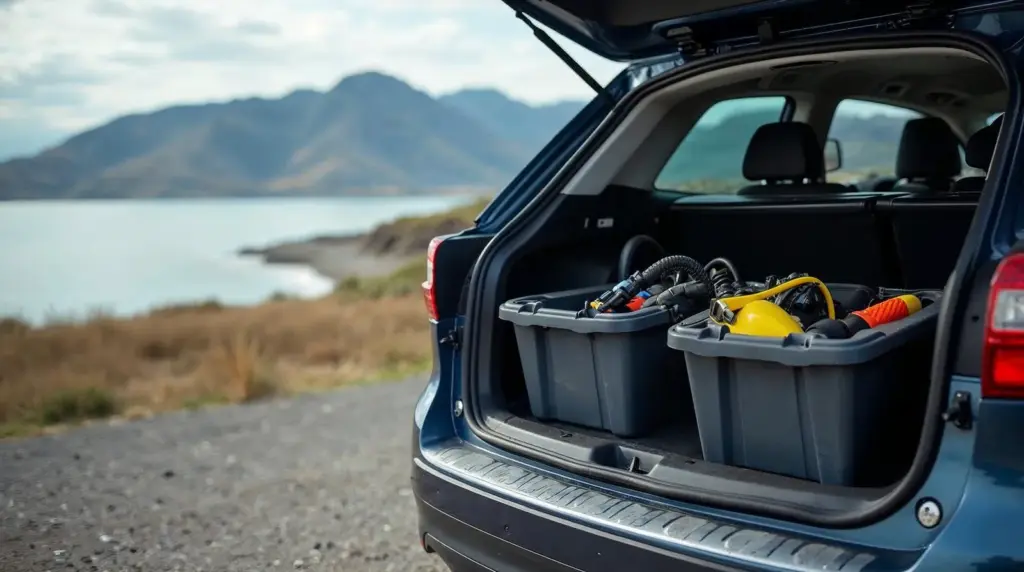
The car is your drying rack, storage locker and changing room on an east coast trip. Pack a large plastic tub for wet gear, a separate dry bag for clothes and phones, and a mesh bag for anything that needs to drip. The humidity near the Gulf of Oman is different from the inland desert, so towels and wetsuits will not dry quickly in a closed boot. Leave windows cracked if the car is parked in a secure area, and hang the rest at the hotel.
Before you leave, think about the order of the day rather than the full list of gear. The things you need first, mask, fins, certification card and a water bottle, should sit on top. The things you need last, dry clothes and a snack for the drive back, can live underneath. This sounds obvious, but a dark car park at six in the morning has a way of turning a tidy boot into a rummage sale.
- Keep a small torch in the door pocket for early starts and late returns to the car.
- Carry a five-litre water container for rinsing hands, feet and small gear before you get in.
- Use a foldable crate for shoes so sand stays out of the footwells.
- Pack a power bank for the phone you will use as a map, camera and boarding pass all day.
- Bring a light cotton sheet or travel towel for the drive back, because air conditioning after a dive feels colder than expected.
- Store a spare key with a trusted travel partner, not in a magnetic box under the wheel arch.
- Keep your passport and any Oman permit in a zipped pouch that never leaves the dry bag.
The drive back from Fujairah or Dibba can feel longer than the drive there, especially after a full day on the water. Plan fuel stops before the mountain crossing, and do not rely on the last station before the road climbs. A warm meal in Fujairah before leaving the coast often beats stopping at a motorway service area later. The east coast rewards the driver who treats parking and sleeping as part of the dive plan, not an afterthought.
Planning Around Tides, Borders and Boat Times
Matching Your Arrival to the Operator’s Clock
Dive boats on the east coast run on a schedule that does not wait for traffic. Morning trips leave early, afternoon trips follow a set window, and the Friday night dive has its own rhythm. If you are driving from Dubai, the Friday afternoon traffic near the mountains can eat an hour without warning. Leave earlier than the map suggests, and use the extra time to check the car, eat something and watch the water.
For Musandam day trips, the border crossing is the wildcard. The drive itself is not long, but the queue can be unpredictable, especially on weekends and public holidays. The trip pages list passport and permit details, and the smart move is to prepare those papers the night before. A missed boat in Musandam is not like a missed bus, there is rarely another one leaving in an hour.
If the plan includes Lima Rock or Octopus Rock, the overnight Musandam trip is the cleaner option. You park once, board the dhow, and let the boat move you between sites. The car stays in one place, and you avoid the border twice in a day. For a mixed weekend, one night in Fujairah and one on the dhow gives you the best of both without turning the trip into a luggage relay. The reefs have come back through storms and red tides, and they will be there when you arrive.