There is a particular kind of silence on a Gulf motorway in July, just after the sun clears the horizon and the asphalt begins to breathe heat back into the air. The car is cool, the road is empty, and for an hour or two the drive feels like the easiest thing in the world. That ease is deceptive. A long summer run to Hatta, across the Omani border or down towards the southern coast asks more of a vehicle than most owners ever realise, and the margin for error shrinks as the temperature climbs.
Heat does not announce itself the way a storm does. It works slowly on rubber, fluid and wiring until something lets go, usually far from a service station and always at the worst moment. The good news is that nearly every common summer breakdown can be avoided with a few hours of preparation. This checklist is written for the first-time road tripper and the experienced driver alike, with one clear goal: to get you to the cool mountain air or the dive site car park relaxed, not rescued.
Start With the Tyres and the Spare
Long hot motorway runs are exactly the conditions in which tyres fail, so this is where every preparation should begin. Check the pressures while the tyres are cold, before the car has moved more than a couple of kilometres. If the vehicle is loaded with passengers, dive kit and luggage, use the higher laden pressure listed on the door sticker rather than the everyday figure. The extra weight needs the extra support.
Look across the tread for even wear and inspect the sidewalls for cracks, bulges or stones wedged in the grooves. Then open the boot and check the spare wheel, which most people forget until they need it. Make sure it is present, properly inflated and not too old to trust. If your route includes sand or rough tracks, the right four by four all terrain tyres or SUV tyres make a genuine difference to both safety and grip, and are worth fitting before rather than after you get stuck.
Cooling, Battery and the Systems That Work Hardest
The two systems that work hardest in a Gulf summer are the engine cooling system and the battery. Check that the coolant, the fluid that stops the engine overheating, is at the right level and not leaking. Have it topped up or flushed if it is due. Make sure the air conditioning is blowing properly cold before you commit to hours in the car. Discovering weak cooling an hour into the desert with the family aboard is a misery that is entirely avoidable.
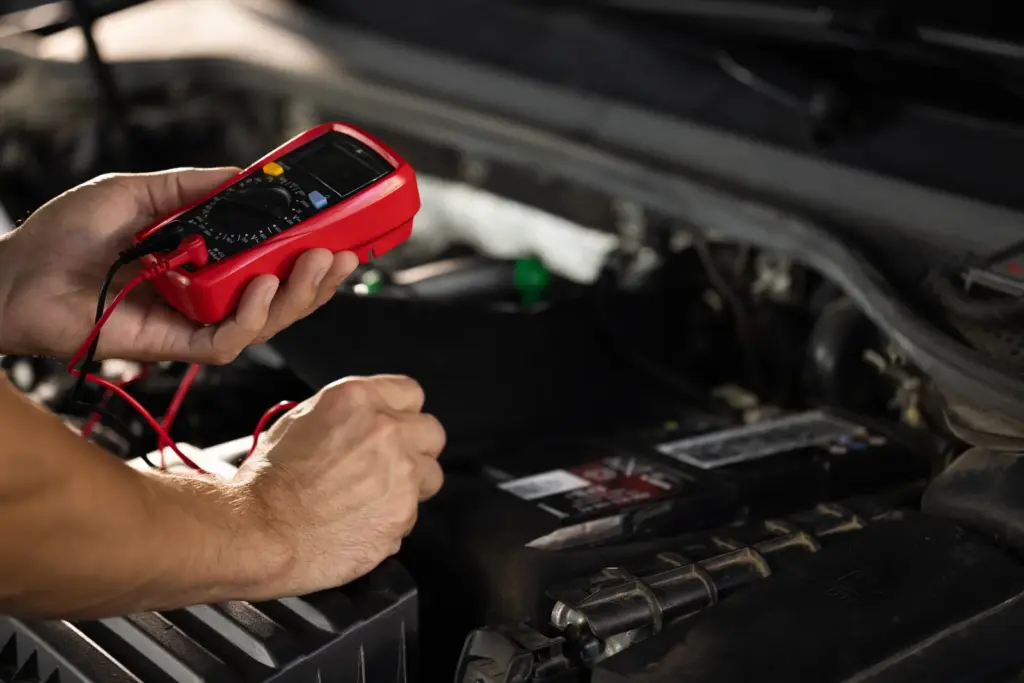
Have the battery tested as well. Heat is what kills batteries in this region, and they often fail with little warning, usually at the least convenient moment far from help. A two minute test before you leave is far better than a jump start in the middle of nowhere. While you are at it, check the engine oil, the windscreen washer fluid and that all your lights work. Expect steep climbs and long descents on mountain routes, where good brakes and correct tyre pressure really matter, and on the way down shift to a lower gear so the engine helps slow the car rather than relying on the brakes alone.
Sandstorms, Visibility and the Cabin
A summer sandstorm can arrive without much ceremony, turning a clear road into a brown wall of dust in minutes. Your first defence is visibility, which means wipers that actually work and washer fluid that can shift dust and debris. The rubber on wiper blades hardens and cracks in the heat. Replace old blades before the season peaks and keep the washer reservoir full with a fluid designed for dusty conditions.
Getting into a parked car in summer feels like stepping into an oven, and the first few minutes of driving can be genuinely disorienting. Before starting the engine, open all the doors for a minute to let the hot air escape. Use sunshades and park in shaded areas whenever possible. A slightly open window, if the area is safe, can also help keep the cabin from becoming excessively hot while the car sits. None of this is complicated, but it changes the first ten minutes of a long drive from a test of endurance into something closer to comfort.
What to Pack Before the Sand Arrives
Beyond the mechanical checks, a small kit in the boot makes a sandstorm or a long wait far less stressful. The idea is not to prepare for an expedition, but to cover the ordinary mishaps that become serious when the nearest help is an hour away. Pack these items the night before. Do not pack them as an afterthought at the first fuel stop.
- Carry a physical copy of your documents and keep them in the glovebox, separate from your phone.
- Pack a basic first aid kit with plasters, antiseptic wipes and any personal medication you might need.
- Take extra drinking water, stored inside the cabin rather than the boot where it gets hotter.
- Bring a torch with fresh batteries, because a breakdown after dark on an unlit road is no time to rely on a phone light.
- Keep a set of jumper cables or a portable jump starter in the car, even if your battery tested fine before leaving.
- Add a small shovel and a pair of gloves if your route includes sand tracks or remote parking areas.
- Pack a charged power bank for your phone, since heat drains phone batteries faster than most people expect.
After the storm passes, do not rush back to full speed. Sand leaves a fine layer on the road surface that reduces grip, especially on corners and roundabouts. Give the car a gentle shake down over the first few kilometres and listen for any new noises from the wheels or engine. A sandstorm is rarely the end of a journey, but it is a good reminder that the desert sets the pace, not the driver.
Protecting the Car After the Drive
The work does not end when you park at the wadi or the beach. Summer heat and coastal humidity create a harsh corrosive environment for vehicles, and the damage accumulates while the car sits. Surface temperatures on parked body panels can reach between eighty five and ninety five degrees Celsius, which is enough to bake grime into the paint and strip away whatever protection was there before. A little care after the drive keeps the car from ageing years in a single season.
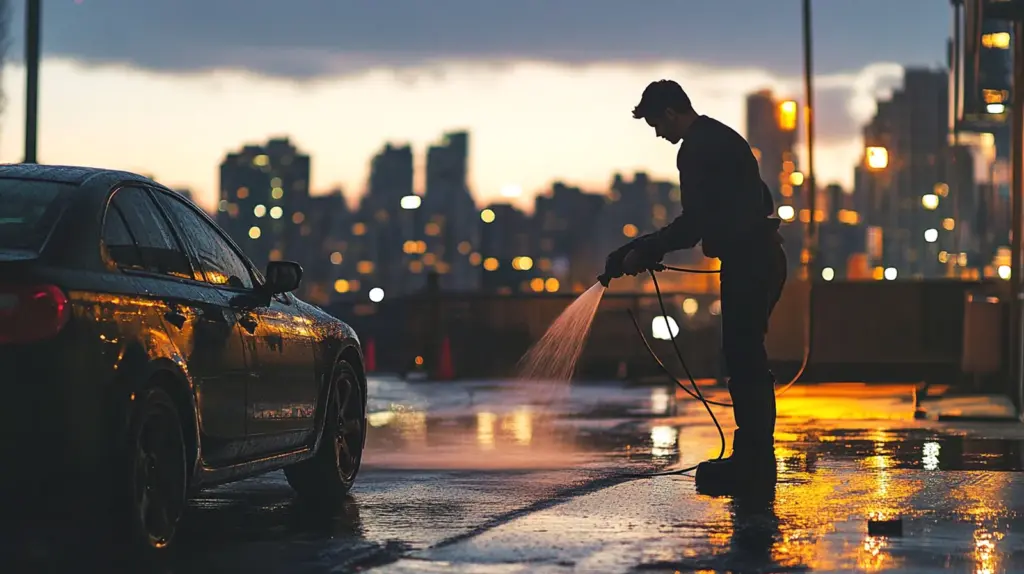
Never wash a vehicle directly under sunlight or when the body panels are still hot. Water sprayed onto a hot surface evaporates instantly, leaving hard calcium and mineral deposits that create stubborn water spots. The best time to wash is early morning or late evening, ideally in a garage or under a shaded canopy. Use a pH neutral shampoo, wash and rinse one panel at a time, and dry immediately with a microfibre towel rather than letting the car air dry.
Paint Protection Before the Worst Heat
Before the July and August extremes arrive, establish a durable sacrificial barrier over the clear coat. Strip away highway embedded grime, industrial fallout and old wax layers using a dedicated clay bar or a specialised iron remover. Then apply an advanced polymer or ceramic sealant, because traditional carnauba waxes melt down completely in days once surface temperatures exceed their melting point. Modern synthetic polymers and silicon dioxide ceramic coatings hold up far better under the Gulf sun.
None of this is about vanity. Clear coat failure, faded paint and etched water spots all reduce the car’s resale value and make every future wash more difficult. A couple of hours spent on paint protection in June pays off in September, when the heat finally eases and the car still looks like it belongs on the coast road rather than in a scrapyard. The same logic applies to the interior, where sunshades and window tint, where legal, slow the cracking and fading that summer accelerates.
Long summer drives are one of the great pleasures of living in this part of the world. They reward preparation more than spontaneity. The road to the mountains or the coast will still be there tomorrow. It is far more enjoyable when the car is ready for it. Drive early, drive steady and let the desert heat be something you pass through rather than something that stops you.