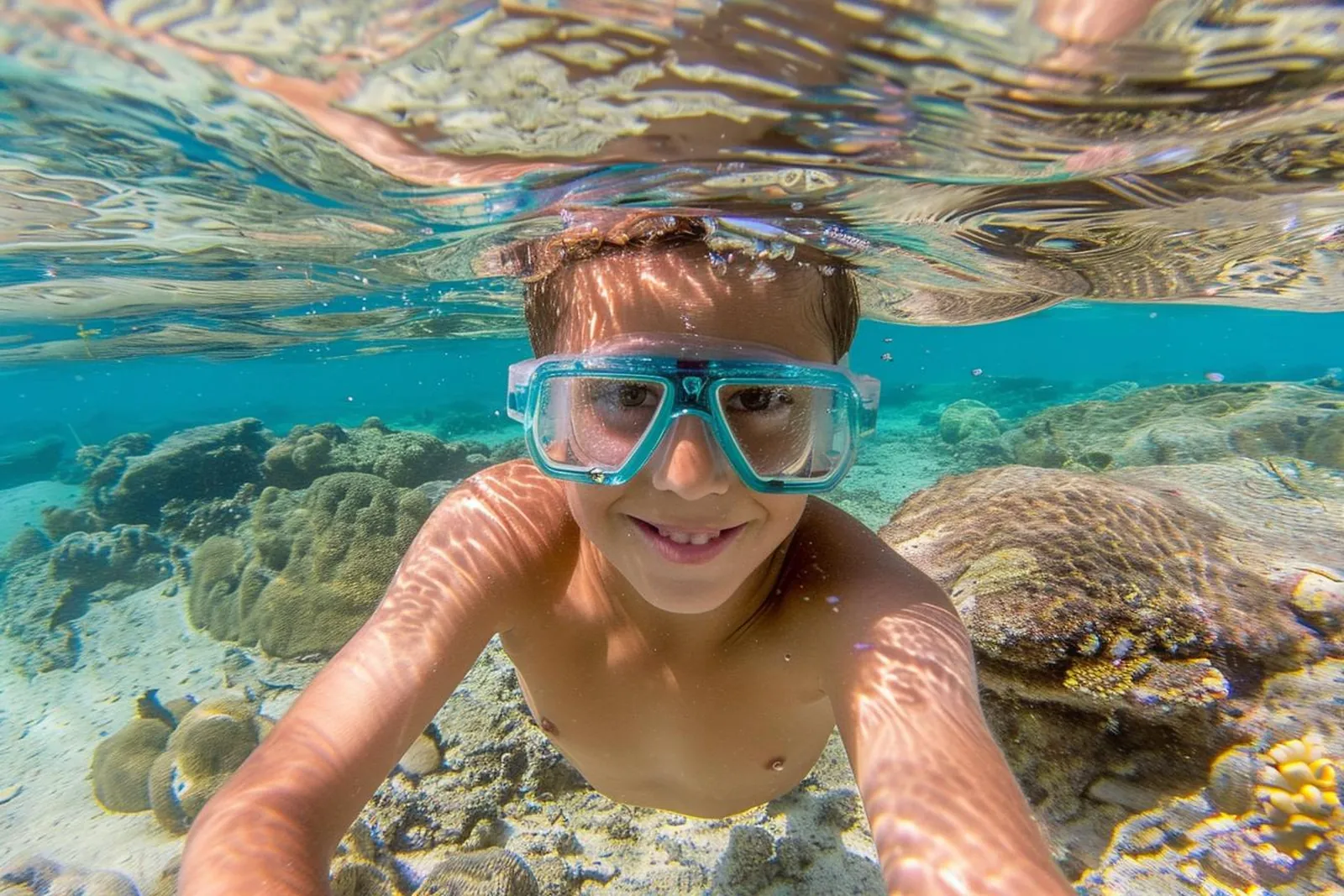
The first time a child lowers their masked face into sunlit, knee-deep water and locks eyes with a blue chromis, something shifts. The world expands. You do not need a boat, a guide or a long swim to reach that moment. Some of the richest shallows on the eastern coast of the UAE and northern Oman sit right against the shore, where bands of rock cradle butterflyfish, snappers and the occasional unhurried turtle. The trick is knowing where to park your towel and how to time the tide.
Families in Qatar and the wider Gulf often look east for weekend escapes, drawn by the cooler Indian Ocean water and the dramatic Hajjar mountains that plunge straight into the sea. The drive from Doha to the Musandam peninsula or the Khor Fakkan coastline is a commitment, but the payoff is a string of snorkelling sites that feel genuinely wild. This guide covers shore-accessible spots between Khor Fakkan and Dibba, plus a few island options worth the short boat ride. All are chosen with young snorkellers in mind.
Why the Gulf of Oman coast suits young snorkellers
The Arabian Gulf has its charms, but its shallow, sandy basins rarely deliver the clarity or the reef life that children need to stay engaged. The Gulf of Oman is a different sea entirely. Cooler upwellings, a rocky shoreline and a narrower continental shelf often mean clearer water, even close to the beach. For a child still getting used to breathing through a tube, seeing the bottom clearly removes half the anxiety before it even starts.
Water entry is the other deciding factor. Many of the best family spots on this coast offer a gentle slope from sand to submerged rock, with no surf to knock a small body off balance. At Snoopy Island near Fujairah, for instance, you can wade out a short distance with the sea floor still within reach. That ability to stand up and rest, to clear a foggy mask while your feet are planted on sand, is the single greatest confidence-builder for a new snorkeller.
Marine life here rewards patience without demanding depth. The bands of limestone and coral rubble that run parallel to the shore act as natural breakwaters, and their crevices are packed with midnight parrotfish, French angelfish and darting clouds of chromis. Turtles are common enough that a morning session without a sighting feels unlucky. Rays bury themselves in the sand between the rocks, and if you drift quietly, you can watch them rise and glide off with minimal disturbance.
Shore-entry sites that feel like a swimming pool
This is the poster child for family snorkelling on the east coast, and for good reason. The island itself sits just off the sandy beach of Sandy Beach Hotel, and the channel between shore and rock is shallow, sheltered and patrolled by a resident turtle population. You can rent a mask and fins from the dive centre on the beach, but plenty of families simply bring their own kit and walk in. The current is usually negligible inside the bay.

For a first outing, aim for the side of the beach where the rocks begin. The coral cover here is patchy but alive, and the fish are accustomed to human visitors without being fed. Midweek mornings are often quieter, and the light is usually at its best earlier in the day. Keep an eye on the wind forecast because an easterly can stir up sediment and reduce visibility quickly.
A short distance south of the hotel strip, a stretch of public sand offers free access and a rocky finger that runs out from the southern end of the beach. This is a less manicured option, but the snorkelling is surprisingly good close to the shore. The rocks here are lower and flatter, creating a series of shallow pools at low tide. These pools are perfect for a child who is not yet ready to swim over deeper water.
What to look for in a family snorkelling spot
Not every beach that looks calm from the road will work for children. The checklist is short but each item matters. First, you want a site where the entry is sand or smooth rock, not slippery boulders or coral rubble that shifts underfoot. Second, look for a natural barrier such as a reef crest, a rocky point or an island that breaks any swell before it reaches the shallows. Third, confirm that the depth increases gradually over a good distance.
Water temperature in the Gulf of Oman varies seasonally, which means a shorty wetsuit is useful in winter but rarely essential for a summer splash. Currents are generally mild inshore, but they do exist. One practical rule is to watch the moored boats. If they are all pointing in the same direction and the water is rippling past their hulls, there is enough flow to tire a child quickly. Move to a more protected corner of the bay.
The following checklist covers what to pack beyond the obvious mask and snorkel. Each item can help prevent a family outing from turning into a short, tearful drive back to the hotel. For example, a simple rash guard can prevent sunburn and scrapes, keeping everyone comfortable in the water. Packing a dry bag for phones and towels also helps avoid the disappointment of soaked belongings. A small first aid kit with plasters is another wise addition for minor cuts from rocks or coral.
- Rash vests with a UPF rating of 50 or higher, because sunburn happens fastest on the back of the neck and shoulders while snorkelling.
- A traditional-style snorkel with a dry top and a bottom purge valve, which prevents water ingress from waves and makes clearing the tube far easier for small lungs.
- Short-blade fins for any child who has mastered the mask, as they are easier to walk in and less tiring than full-length blades.
- Defogging gel or a small bottle of diluted baby shampoo, because spit alone rarely keeps a child’s mask clear for long.
- A compact, waterproof identification card showing common reef fish, which turns a swim into a treasure hunt and occupies restless minds on the drive home.
- Lightweight neoprene socks or hard-soled water shoes for rocky entries, even if fins will be worn over them later.
Boat-accessed islands worth the short ride
Daymaniyat Islands, Muscat
Shore entries are ideal for building confidence, but the clearest water and the most abundant life in this region sit a little further out. The Daymaniyat Islands off the coast of Muscat require a permit and a licensed operator, but the snorkelling in their sheltered lagoons is genuinely world-class. At certain times of year, whale sharks pass through the area, and even outside those months, the coral gardens in shallow water are dense and healthy. The boat ride from Al Mouj Marina takes less than an hour, and most operators run half-day trips that include a beach barbecue and plenty of time in the water.
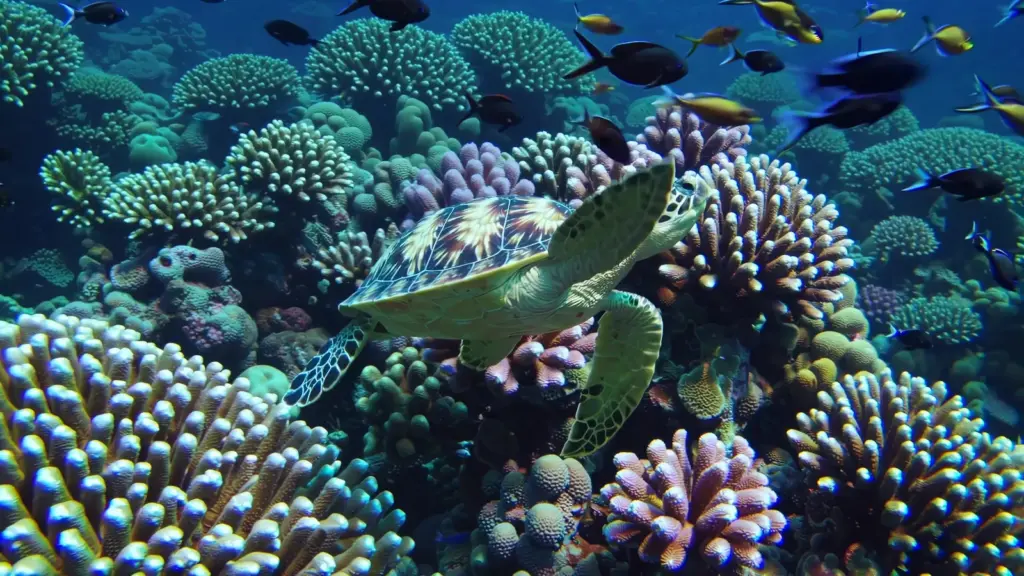
The islands are a nature reserve, so strict rules apply. Nothing is touched or removed, and the guides are vigilant about it. For families with older children who are already comfortable in deeper water, this is the trip that turns a passing interest into a lifelong passion. The combination of calm lagoons, abundant turtles and the chance of a whale shark sighting makes the permit process worthwhile.
Teaching children to snorkel without the tears
Start dry, stay shallow, and read the child
The bathtub or a hotel swimming pool is the right classroom for a first lesson. Let a child wear the mask and breathe through the snorkel while sitting on the steps, face submerged, with no swimming required at all. The sensation of breathing while looking underwater is so counterintuitive that it deserves a full session of its own. Once that feels normal, move to a beach where they can stand waist-deep and simply look down at the sand.
Fins can wait. A child who is still figuring out how to clear a snorkel does not need the added complication of long rubber blades strapped to their feet. When fins do come into play, walk backwards into the water rather than forwards. A backwards fall onto sand is embarrassing but harmless. A forwards tumble with fins on is more likely to cause an injury. Short fins reduce the risk further and make it easier to climb a boat ladder.
There is no universal starting age for proper masked snorkelling. Some four-year-olds take to it immediately, while others need until seven or eight before they feel safe enough to put their face in the sea. The difference is rarely about swimming ability. It is about temperament and whether the child feels in control. Never push past visible fear because a bad first experience in open water can take years to undo. Non-swimmers and toddlers are not excluded from the experience. In calm, clear shallows, a child held securely at the surface can still watch fish through a mask, and the memory of those colours will outlast any formal lesson.
The drive back to Doha or Muscat after a morning in the water tends to be quiet. Children fall asleep with salt in their hair and a head full of new shapes. The real measure of a successful family snorkelling trip is not how far you swam or how many species you identified. It is whether, a week later, your child asks when you are going back to look at the fish again.