The Gulf of Oman gives divers two very different seas. One is a warm, hazy basin that feels more like a bath than an ocean, thick with plankton and the big animals that follow it. The other is a cool, gin-clear window into the reefs, where the light cuts deep and the pace of the reef slows to a winter rhythm. Neither season is the wrong season, but they demand different kit, different expectations and a different eye for what makes a dive memorable.
What follows is a straight comparison built on regular weekends on the east-coast sites from Khor Fakkan up through Dibba and into the Musandam peninsula. The notes are drawn from logbooks, boat decks and the quiet chatter of divers peeling off wetsuits in car parks. No single month is perfect for everything. Understanding the two main blocks of the year will help you pick your days and pack your bag with a lot more confidence.
The Two Seasons at a Glance
Broadly, the local diving year splits into a warm season and a cool season. The warm months bring surface temperatures that climb into the low thirties. The cool season bottoms out in January and February, when the water can drop to the low twenties. The transition weeks can swing either way, sometimes delivering the best of both worlds and sometimes frustrating everyone with mixed-up visibility.
The table below gives a practical month-by-month feel for what you will actually experience on the boat and below the surface. These are not scientific averages pulled from a buoy, but the numbers that show up dive after dive on the main recreational sites. Water temperature is the reading at depth, not the surface slick. Visibility is what a buddy pair can realistically count on when finning along a reef profile.
| Month | Water Temp | Daytime Air | Visibility | Crowds |
|---|---|---|---|---|
| May | 27–30°C | 34–42°C | 8–15 m | Low |
| June | 29–32°C | 36–45°C | 5–12 m | Low |
| July | 31–33°C | 38–45°C | 5–10 m | Low |
| August | 31–33°C | 38–45°C | 5–15 m | Low |
| November | 24–26°C | 24–34°C | 15–25 m | Moderate |
| January | 21–23°C | 15–25°C | 20–30 m | Low |
The single most useful idea here is that the cold is mainly a surface problem. Even in the cool season, the water temperature feels perfectly civilised in the right exposure suit. The real shiver arrives on the boat deck, in the wind, with a wet back between dives. Plan your surface layers around that fact and winter suddenly looks like the calmest, clearest season of the year.
Summer Diving: Plankton, Pelagics and a Very Warm Sea
During the warm season the east coast sits under a heavy blanket of heat. Daytime air temperatures are high and the sea surface can feel almost unnervingly warm. A thin shorty is more than enough, and many divers are comfortable in nothing more than a rash guard and board shorts. The water holds you in a kind of weightless embrace that makes hour-long dives easy, and the urge to rush back up the shot line simply disappears.
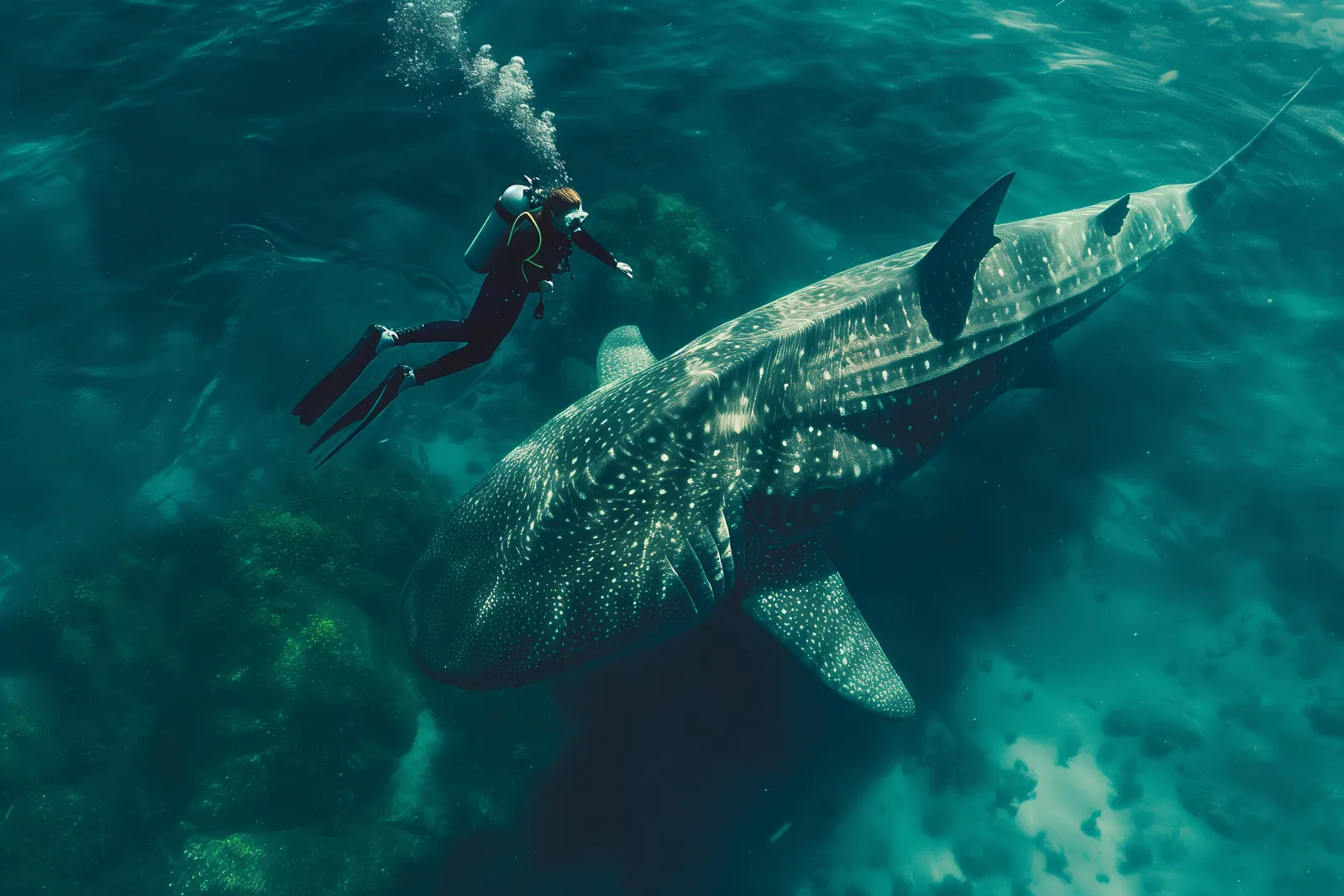
That warmth comes with a trade-off. Summer is plankton season, and the greenish bloom cuts visibility down on most days. The water feels soupy rather than crystalline, and the wide reefscapes that look so dramatic in winter shrink to a more intimate stage. But that same plankton is the base of a food chain that pulls in creatures you simply will not see when the water runs cold and clear. Large marine life may cruise the surface beyond the reef edge, drawn by the blooms, and rays hunt in the shallows.
What the Summer Reef Delivers
Summer is when the reef feels busiest. Schools of fusiliers and snapper pack tight against the coral heads, and the sand patches between the bommies come alive with stingrays half-buried in the sediment. Moray eels seem bolder, perhaps because the reduced visibility lets them hunt with more confidence, and lionfish drift in the water column with their pectoral fins spread wide. The whole ecosystem runs at a faster metabolic rate, and you feel it in the constant flicker of movement at the edge of your mask.
Night dives in summer are a particular treat. The warm surface means you can slip in without the usual pre-dive flinch, and the beam of your torch picks out a cast of characters that hide during the day. Octopus hunt across the open sand, cuttlefish pulse with electric colour changes, and the tiny nudibranchs that get overlooked on wide-angle reef dives suddenly become the star of the show. The reduced visibility actually works in your favour here, concentrating your attention on the cone of light and the small dramas playing out within it.
Winter Diving: Clear Water, Cool Mornings and Quiet Reefs
By the start of the cool season the sea has begun to shed its summer heat. The plankton bloom fades, the water clears, and the first proper northerly winds start to ruffle the surface. Visibility jumps significantly, sometimes reaching startling clarity on the deeper Musandam sites. The reefs reveal their architecture again, and a dive that felt like a series of close encounters in August becomes a sweeping panorama of coral terraces and deep blue drop-offs.
The price of that clarity is a drop in temperature that catches out the unprepared. Cooler water temperatures demand a proper full suit, a hood for those who feel the cold, and a serious deck jacket for the surface interval. The air temperature on a cool-season morning can be low, and the wind chill on a moving boat bites hard. But the reward is diving with very few other people on a site that in a different season would carry many times the traffic.
Winter Marine Life and Reef Behaviour
The big summer visitors move on, but winter brings its own cast. The cooler water holds more dissolved oxygen, and the reefs respond with a steadier, less frantic energy. Soft corals open fully, and the hard coral structures stand out with a clarity that makes navigation a joy. The fish life shifts too. You see more schooling behaviour, larger aggregations of barracuda hanging in the blue, and the resident turtles seem less bothered by divers, perhaps because there are fewer of us in the water to begin with.
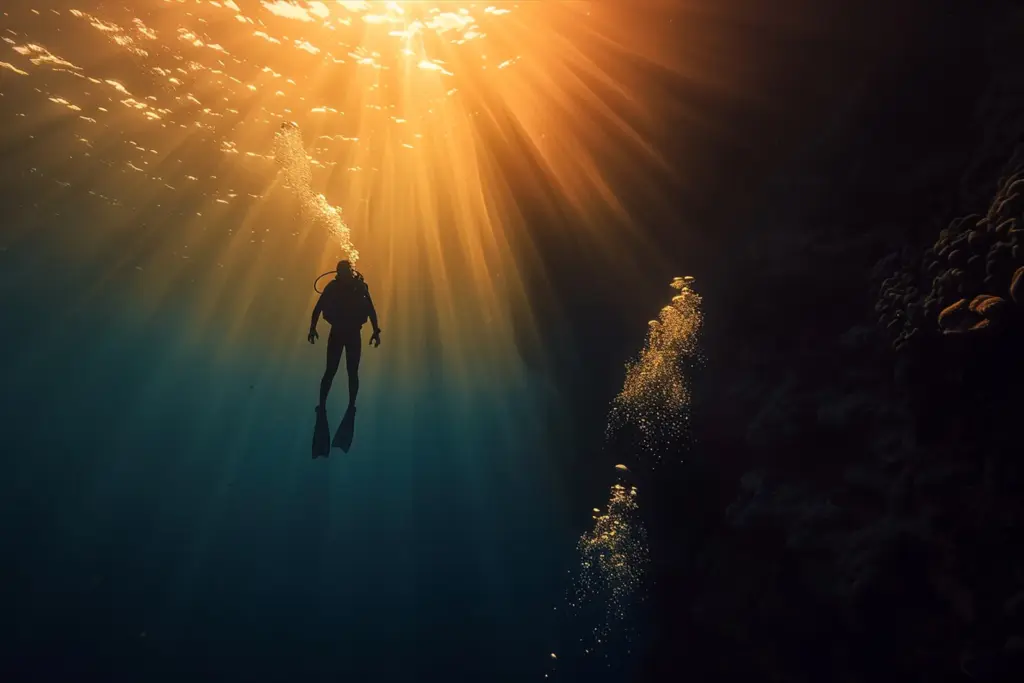
One of the quiet pleasures of winter diving is the quality of the light. The lower sun angle sends long shafts through the water column, and the absence of suspended particles means those beams stay sharp all the way to the reef floor. Photographers who chase wide-angle reef shots will find winter conditions far more forgiving, with less backscatter and richer colour saturation at depth. The trade-off is shorter dive times for those who chill easily, but a well-chosen exposure suit keeps most divers comfortable for a full tank.
What to Wear and How to Prepare
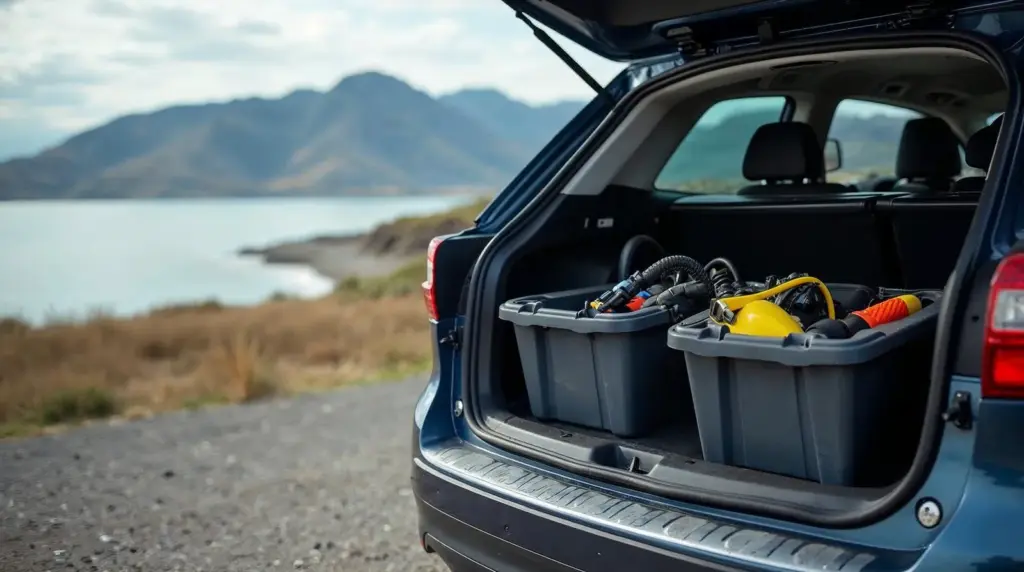
Summer kit is simple. A thin shorty or even a full-length skin suit handles the thermal protection, and the main job of your exposure layer is really sun protection and sting prevention rather than warmth. Bring a wide-brimmed hat for the boat, more drinking water than you think you need, and a long-sleeved rash vest for the surface interval when the sun is at its fiercest. The boat deck can become punishingly hot by late morning, and a wet towel draped over the shoulders provides surprisingly effective relief.
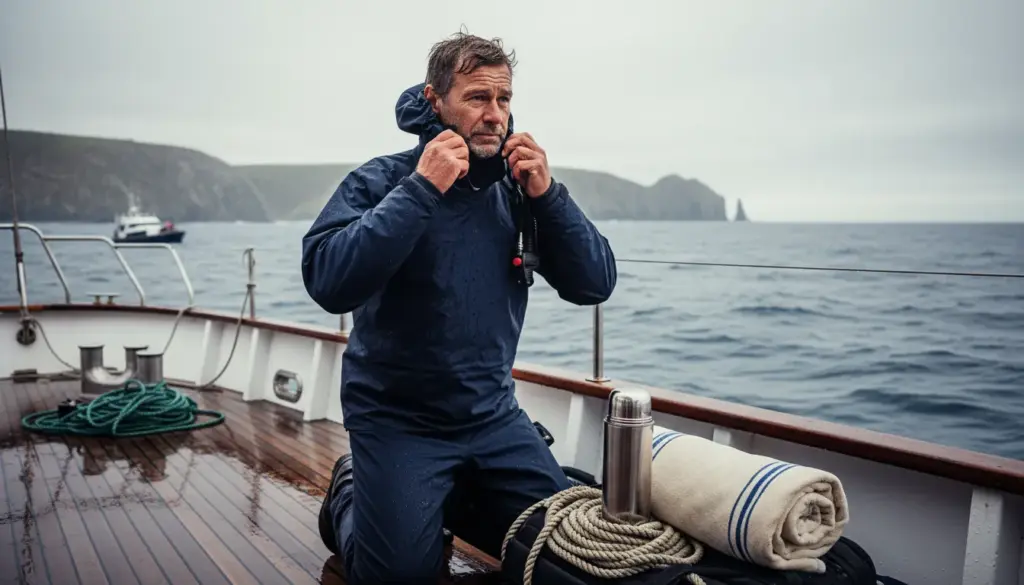
Winter demands a proper layering strategy. A thick full wetsuit is the starting point, and many local divers add a hooded vest or a neoprene cap. The real trick is managing the surface chill. A windproof jacket that goes on the moment you climb the ladder, a flask of hot tea or coffee, and a dry change of clothes for the ride home transform the experience. The dive itself is rarely the cold part. It is the twenty minutes on the deck afterwards, with the wind finding every gap in your neoprene, that tests your resolve.
Choosing Your Season and Your Sites
There is no single right answer to the summer versus winter question. If you want to see large marine life, tolerate heat well and do not mind the reduced visibility, the warm season will give you exactly what you are after. The conditions are forgiving for new divers, the long days mean less rush between dives, and the marine life is at its most active and abundant. Just accept that your photographs will have a greenish cast and your buddy may vanish beyond a short distance in the plankton haze.
If you dive for the clarity, for the sense of flying over a landscape rather than peering through a curtain, then hold out for the cooler months. The reefs around Dibba and the outer Musandam sites are at their most spectacular in winter light, and the absence of warm-season crowds means you often get a wreck or a coral garden entirely to yourself. The cold is real but entirely manageable with the right kit and the right mindset. Some of the finest dives logged on this coast have happened on crisp cool-season mornings when the water felt like silk.