The east coast of the UAE hides a different kind of shoreline. Instead of the shallow, silty water familiar to many Gulf residents, the coast around Khor Fakkan and Dibba opens into the clearer, current-swept Gulf of Oman. Granite headlands drop into deep water, coral gardens cling to submerged ridges, and a handful of wrecks and pinnacles create reliable meeting points for marine life. For divers based in the Gulf, this is a weekend route that feels like a genuine change of scene.
Khor Fakkan bay alone strings together seven named dive sites, from shallow reef gardens to a purposely sunk decommissioned boat. Across the border in Dibba Al-Fujairah, protected reefs and rock formations offer a different rhythm again. The sites are not difficult to reach, but they reward planning. Water clarity shifts with the season, currents can pick up between the headlands, and each site has a character that suits a particular level of experience.
Khor Fakkan bay and its seven underwater stops
The bay around Khor Fakkan is shaped by Sharjah’s unusual underwater terrain. Large coral formations grow over granite slopes, and the water is often clear enough to read the reef from the surface. Seven dive sites are strung along the bay, offering a mix of wreck diving and reef diving. Some are shallow and forgiving, others open into deeper channels where larger fish move through.
Divers planning a first trip here should think of the bay as a cluster rather than a single destination. Coral Gardens and Anemone Gardens are gentler introductions, with endless shoals of fish and dense soft coral cover. The Hole in the Wall adds a cave-like formation with swim-throughs, while Almanure gives another reef option with its own resident life. Together they make it possible to spend two or three days without repeating a site.
Shark Island and the cooler months
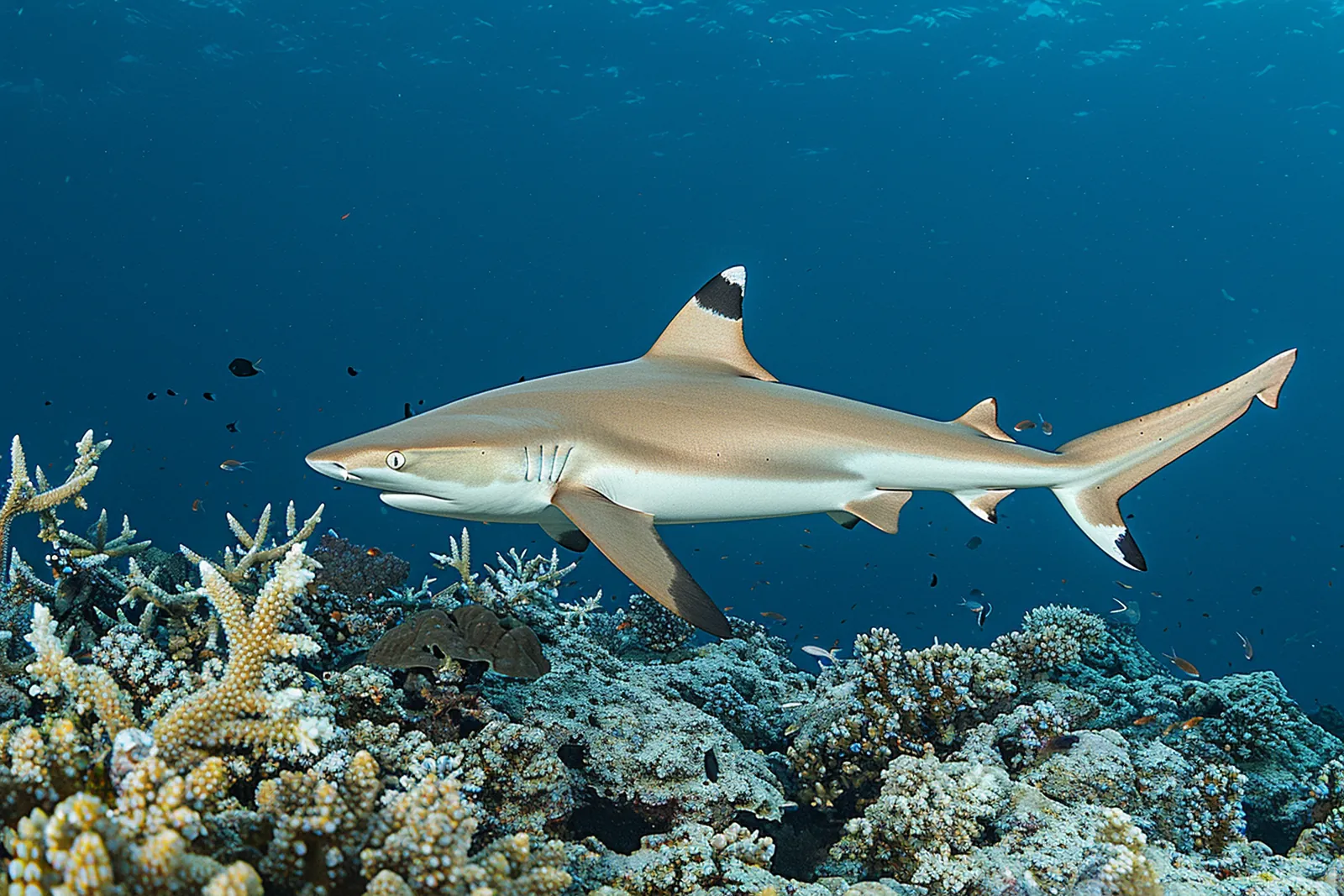
Shark Island, also called Sira Khorfakkan, is the site people ask about by name. It sits within the bay and is known as a refuge for blacktip reef sharks, most often seen in shallow water during the cooler months. Moray eels, Arabian angelfish and turtles also move through the area. Depth is around 17 metres, which keeps it accessible for Open Water divers, while snorkellers can stay on the shallower west side.
The sharks here are not a promise, but the cooler season improves the chances noticeably because species like the common blacktip reef shark move more actively through these waters. Anemones and clownfish bring colour to the spaces between the rocks, and cow-tail rays sometimes glide across the sand nearby. This mix of busy reef life and periodic larger visitors keeps the site interesting on every visit. The site functions well as a second dive of the day after a gentler reef dive, giving newer divers time to settle before entering deeper water.
Martini Rock as a photographer’s circuit
Martini Rock is a pinnacle within a charming reef, measuring around 160 metres in length and 80 metres across. It rises to within three metres of the surface, which gives the site its name. Average visibility ranges between five and fifteen metres, and on a clear day it can open up to twenty metres of multicoloured fish and soft coral. The depth range runs from ten to twenty-two metres, so confident buoyancy control matters.
Photographers tend to linger here because the pinnacle can be circled from its shallow crown down to the deeper base. Snapper, triggerfish, lionfish, scorpionfish, fusilier, broomtail wrasse and moray eels all appear against orange, purple and yellow soft coral. Nudibranchs and large starfish add slower subjects for macro work. The current can pick up on the outer side, so it is worth listening carefully to the dive guide’s briefing.
The Inchcape wreck and Khor Fakkan’s marine history
The Inchcape is a purposely sunk decommissioned boat, a residue of the emirate’s long marine history. It has settled into the bay as an artificial reef, drawing cardinal fish, emperor fish and barracuda. Large rays have been spotted around the hull, especially on days when the current carries cooler water through. The wreck gives Khor Fakkan a different texture from the purely natural reef sites nearby.
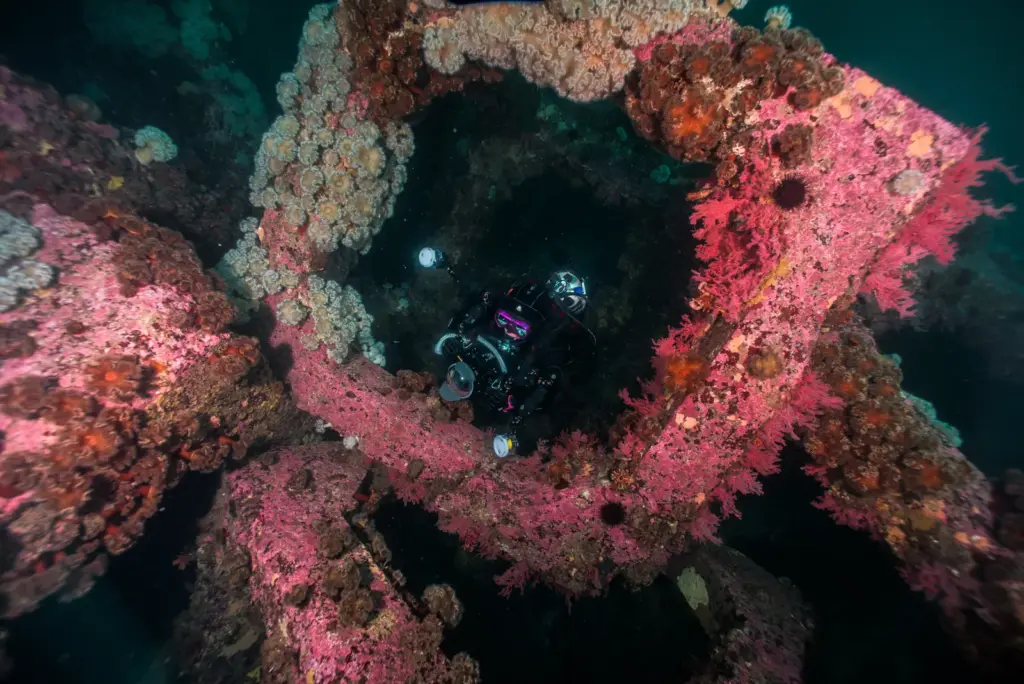
Wreck dives here are not about deep technical penetration. The attraction is the concentration of life around the structure and the sense of a working vessel now repurposed by the sea. Because the boat was placed deliberately, it sits in a predictable position and depth, which makes planning straightforward. Divers who have only dived natural reefs in the Gulf often find the Inchcape a useful introduction to wreck diving without the complexity of a large cargo ship.
Dibba Al-Fujairah and the protected reef at Dibba Rock
Dibba Al-Fujairah sits further north along the Gulf of Oman, where the reefs lie in clearer, current-swept water. The most beginner-friendly site in the area is Dibba Rock, with a depth range of four to sixteen metres. It has been a marine protected area since 2008 and is still recovering from a red tide event, helped by placed artificial reefs. The west side is shallower, which makes it a good first dive after a long journey.
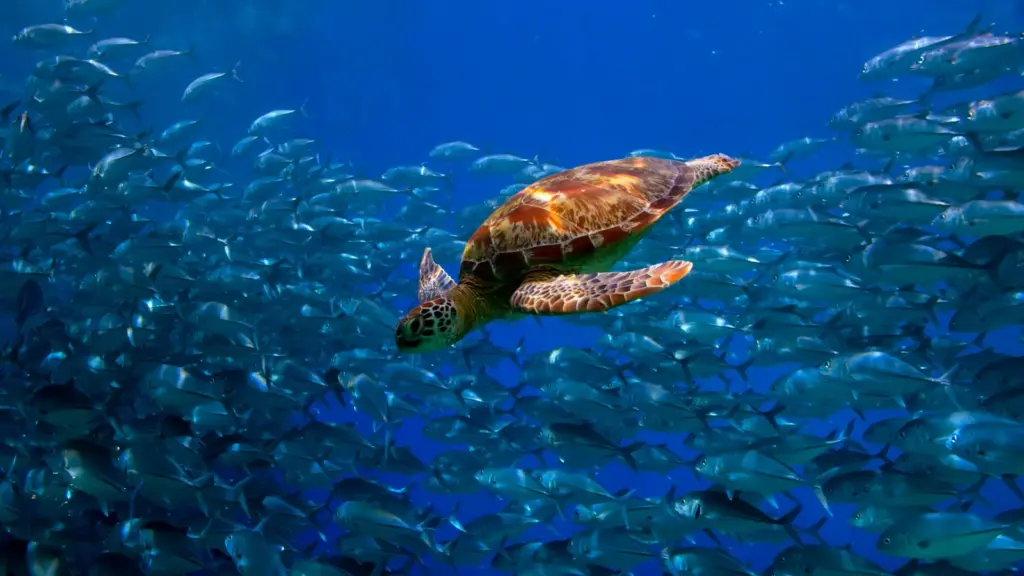
Turtles, moray eels, cuttlefish, snappers, fusiliers and barracuda are all regularly seen here. Leopard sharks, blacktip sharks and guitar sharks also move through the site, though they are more likely on quieter days. Night diving around Dibba Rock offers bioluminescent plankton, a detail that changes the whole atmosphere of the reef. Open Water divers can handle most of the site without difficulty.
Hole in the Wall and the deeper Dibba options
Hole in the Wall is a cave-like formation with swim-throughs, suited to advanced divers. Depth sits between eighteen and twenty-five metres, and overhead-environment awareness is recommended even though the passages are not tight. Turtles, rays, cuttlefish and jawfish are resident, and reef sharks are sometimes seen moving through the tunnel structure. The site rewards divers who are calm in darker water and careful with fin placement.
For divers building experience, the progression is clear. Start with Dibba Rock, then move to Martini Rock, and only then consider Hole in the Wall. The current can change quickly between the outer reef and the shore, so local knowledge matters. The dive centres running trips out of the Dibba coast know the tide windows and will usually pair the site with a shallower second dive to keep the day balanced.
Choosing between Khor Fakkan and Dibba
The two areas are close enough to be combined in one weekend, but each has a different centre of gravity. Khor Fakkan works well for divers who want variety within a single bay, including a wreck and a shark site. Dibba Al-Fujairah is stronger for protected reef life. It also suits the beginner-to-advanced progression around Dibba Rock, Martini Rock and Hole in the Wall.
For readers flying in from the Gulf, the practical advice is to base yourself according to the dives you most want to do. Stay around Al Aqah for Snoopy Island snorkelling, protected Dibba Rock and Sharm Rocks reef dives. Use Khor Fakkan for Shark Island, Martini Rock and the nearby reef gardens. Both towns have straightforward access to dive operators, but the sea conditions differ enough that a quick call ahead saves wasted mornings.
- Check the season before booking Shark Island, because blacktip reef sharks are most often seen in shallow water during the cooler months.
- Choose Dibba Rock for a first east coast dive, since its shallow west side and protected-area status make it the most forgiving entry point.
- If you plan to stop and photograph at Martini Rock, be aware that the current can push you off the pinnacle.
- Respect the marine protected area around Dibba Rock and keep fins well away from recovering coral.
- Plan the Inchcape as a mid-morning dive, when the light reaches the hull and the fish are often active around the structure.
- Save Hole in the Wall for a day when you feel rested, because the deeper swim-throughs are less enjoyable after a long travel day.
Practical notes for a Gulf weekend dive trip
Water clarity along this coast changes with the season and the wind. In general, the cooler months bring better visibility and more shark sightings, while summer can be calmer but hazier. Currents run stronger around the headlands than inside the bays, so first dives should be planned conservatively. Many operators run morning trips, which leaves the afternoon free for snorkelling or a shore rest.
Dive centres in Khor Fakkan and Dibba Al-Fujairah run guided trips, but the editorial line of this magazine is not to recommend one operator over another. Ask about boat departure times, surface intervals and whether the guide carries a spare mask and fin strap. The sea here is not difficult, but it is open water. Small problems become larger when the nearest recompression chamber is not close by.
The east coast rewards divers who arrive with a plan and stay flexible. One day the water will be glassy and the reef will glow under twenty metres of visibility. The next day a swell will push through and the same site will feel entirely different. That is part of the appeal. For Gulf residents used to the Arabian side, Khor Fakkan and Dibba offer a weekend underwater landscape that feels genuinely wild, without requiring a long-haul flight.