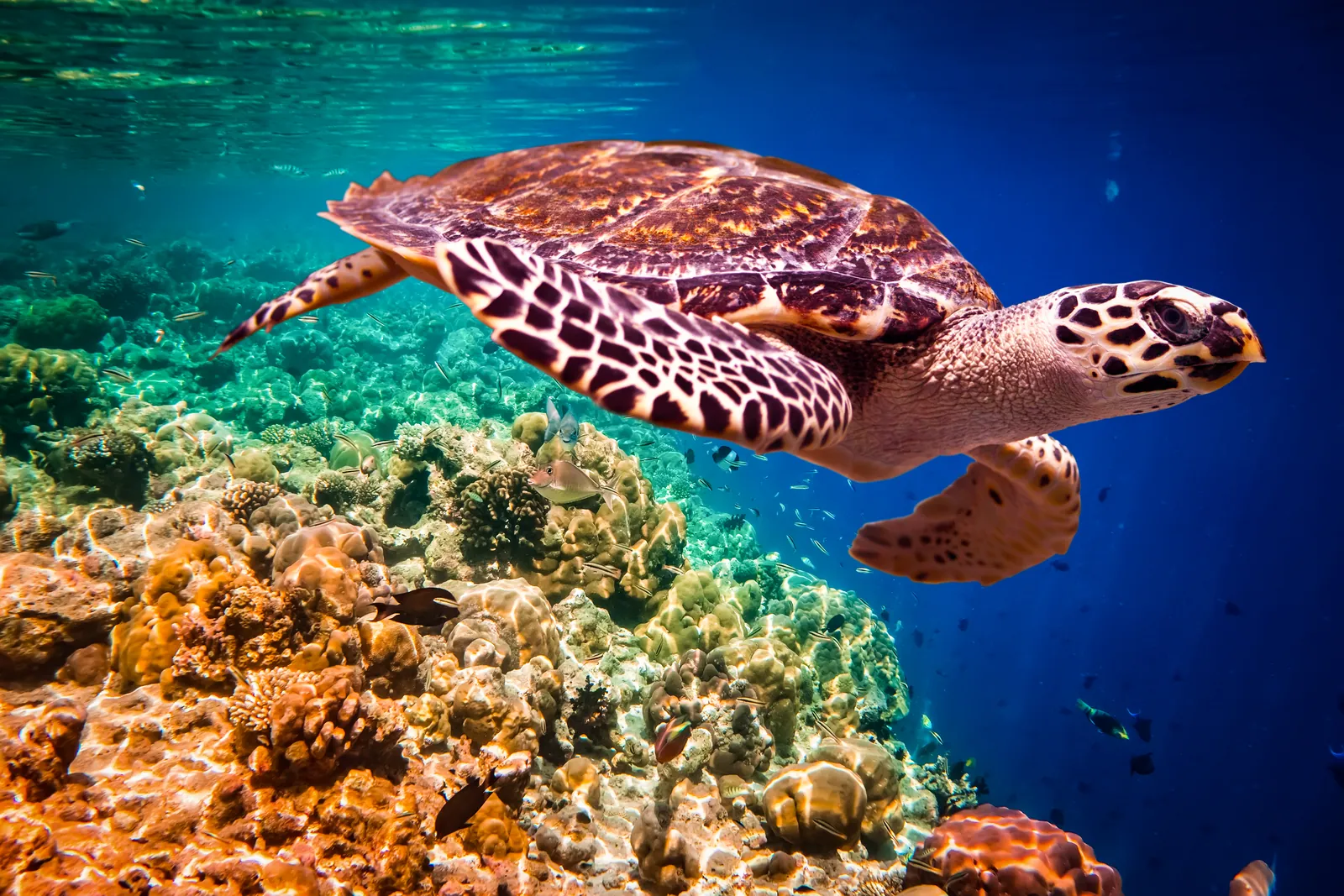
The Gulf of Oman rarely gets the attention it deserves. Sailors know it as a working sea, a corridor for tankers and cargo ships moving between the Arabian Sea and the Strait of Hormuz. Divers and shore walkers know another side of it entirely. This is a body of water where pelagic giants pass close to limestone islands, where reef fish gather in improbable numbers, and where four species of sea turtle still come ashore to nest.
For readers in Qatar and the wider Gulf, the Sea of Oman offers a useful counterpoint to the familiar waters of the Arabian Gulf. It is deeper, cooler in places, and open to the Indian Ocean. That oceanic connection shapes everything, from the arrival of whale sharks in summer to the presence of corals more commonly associated with the Indo-Pacific. This article gathers field notes on the species, habitats and seasonal movements that define the region.
A Sea Shaped by the Strait of Hormuz
The Gulf of Oman covers roughly 115,000 square kilometres and links the Arabian Sea with the Persian Gulf through the narrow Strait of Hormuz. Its width varies, reaching about 340 kilometres in places, while the coastline runs past ports such as Sohar, Muscat and Sur. The strait itself is a critical energy corridor, with a significant share of the world’s oil passing through it even in ordinary times. That traffic creates a constant background of noise and risk for marine animals.
The strait is also a biological pinch point. Species adapted to the extreme salinity and heat of the Persian Gulf mix here with open-ocean visitors from the Indian Ocean. Mangrove forests and seagrass beds along both sides of the strait support grazing animals such as dugongs. These shallow habitats are fragile, and they sit directly beneath some of the busiest shipping lanes on earth.
What Lives in the Water Column
Fish diversity is the headline number. A comprehensive study of the Sea of Oman recorded 1,047 fish species across 164 families and 526 genera. Of these, 947 species belong to the class Actinopteri, the ray-finned fishes, while 100 are sharks, rays and other elasmobranchs. The largest order is Acanthuriformes with 225 species, and the most species-rich family is Carangidae, the jacks and trevallies, with 57 species recorded.
Those numbers include familiar coastal predators such as king mackerel, grouper, snapper, barracuda and tuna. They also include smaller reef fish that reward a slow approach with a mask and snorkel. According to the same study, 747 species are listed as Least Concern, but 43 are Vulnerable, 26 are Endangered and 21 are Critically Endangered. Another 114 have not been evaluated at all, which means the true status of many Gulf of Oman fishes remains unknown.
Reefs, Islands and Coastal Habitats
The islands of the Gulf of Oman are small but ecologically important. Al Fahal Island sits close to the mainland and is formed from ancient limestone and marl. The Dimaniyat Islands form a protected nature reserve, an archipelago off the coast of Oman. Their limestone terrain, sandy beaches and surrounding waters attract nesting turtles and passing whale sharks.
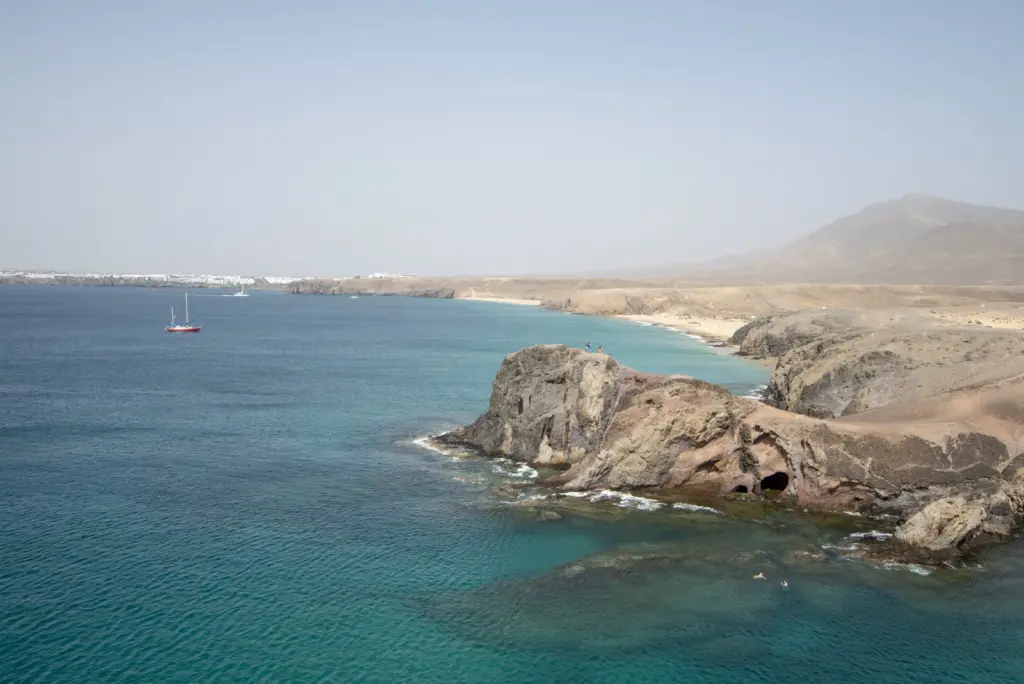
Shoreline habitats are just as significant as the offshore reefs. Mangrove stands and seagrass meadows provide nursery areas for juvenile fish and feeding grounds for herbivores. Green sea turtles and hawksbill sea turtles live and breed in the region, and the shores near Ras al Hadd mark one of the most important turtle nesting areas in the Indian Ocean. Four of the world’s seven sea turtle species nest in Oman, a fact that still surprises many visitors.
Corals Under Pressure
Oman’s coral reefs are generally in healthy condition compared with many parts of the world. They face the same long-term threats of warming water and coastal development. Nearly 200 species of corals have been recorded in Omani waters. Reefs off the capital area of Muscat support dense schools of golden sweepers and other small planktivores. These in turn draw larger predators close to shore.
The reefs are not immune to disturbance. Explosions above and below the sea surface create shock waves that can disorient whales, dolphins, turtles and fish. For corals already living near their thermal limits, additional stress can slow recovery for years. The best reefs are often those farthest from shipping lanes and construction, which is one reason the Dimaniyat Islands remain a reference point for what a quieter Gulf of Oman can look like.
Whales, Dolphins and Seasonal Visitors
Twenty species of whales and dolphins have been recorded in the Sea of Oman. Some are resident, others pass through on migration routes that connect the Arabian Sea with the wider Indian Ocean. Bryde’s whale, the critically endangered Arabian humpback whale and whale sharks all use these waters. Oceanic manta rays, now reclassified as mobula rays, appear seasonally, as do ocean sunfish and, rarely, orcas.
The Strait of Hormuz is a known migration bottleneck for several of these species. Even in peacetime, intense tanker traffic poses a risk through collisions and noise. The Arabian humpback whale is of particular concern because its population is small and isolated. Sightings are not predictable enough to promise on any given weekend, but the possibility of encountering a whale shark or a pod of dolphins is part of the region’s quiet appeal.
Reading the Seasonal Calendar
Seasonal patterns matter more than exact locations. Whale sharks tend to appear when water temperatures rise and plankton blooms develop, often between late summer and early autumn. Turtles nest on specific beaches according to their own rhythms, with hatchlings emerging at night. Dolphins can be seen in many months, but calm seas in spring and autumn generally make them easier to spot from a boat or headland.
For anyone planning a coastal weekend, the practical advice is simple. Watch the water before entering it. Look for bird activity, slicks and changes in surface texture. A pair of polarised sunglasses helps more than any expensive gadget. And remember that the Gulf of Oman is a working sea, so check local conditions and access rules before heading to remote shorelines.
Field Notes for Coastal Observers
You do not need to dive to see a great deal. Rocky shores at low tide reveal blennies, gobies, small crabs and the occasional moray eel waiting in a pool. Sandy flats near seagrass beds can produce stingrays and juvenile trevallies. From a boat, look for the dark shapes of manta rays near the surface or the slow roll of a whale shark feeding on plankton.
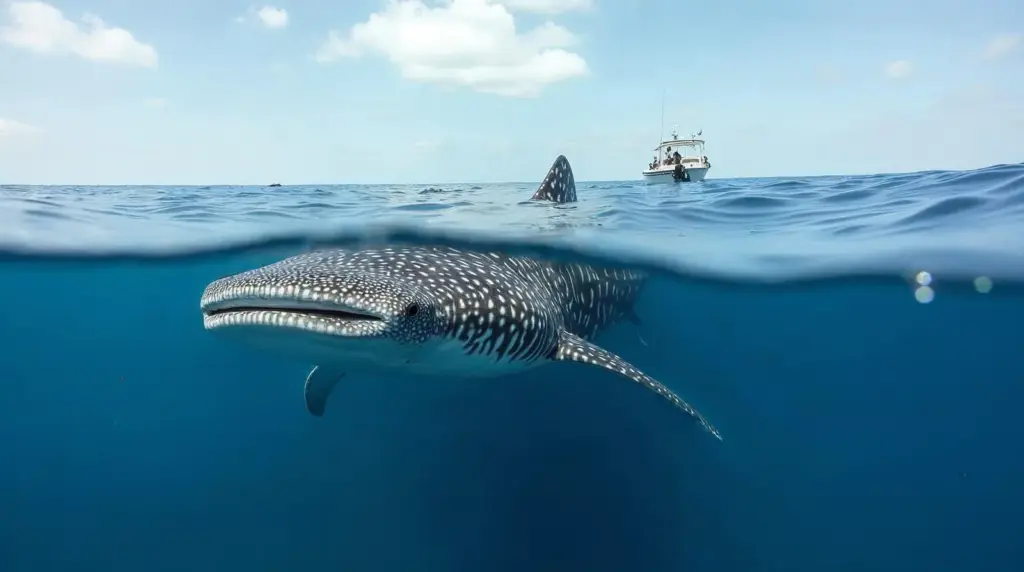
A useful field kit for a weekend on the Sea of Oman includes a few simple items. The following list covers the basics without turning a walk into an expedition. These waters hold surprising biological diversity, from whale sharks and sea turtles to healthy coral reefs. A little preparation helps you observe this marine life comfortably and safely.
- Polarised sunglasses reduce surface glare and make fish, rays and turtles much easier to see from shore or boat.
- A compact pair of binoculars helps identify distant seabirds, dolphin pods and whale blows without disturbing the animals.
- A field guide to Indian Ocean reef fish turns a quick snorkel into a proper identification session.
- A tide table for the relevant coast prevents long walks back over rocky ground when the water rises.
- A dry bag keeps a notebook, phone and car key safe during shore walks, boat trips and sudden squalls.
- Reef-safe sun protection avoids adding chemical loads to coral and seagrass habitats already under pressure.
- A headlamp with a red setting is useful for turtle beaches, where white light can disorient hatchlings.
- Water and a simple first aid kit are essential on remote shorelines where help may be far away.
The Gulf of Oman rewards patience. Some days the water looks empty, and then a school of trevally flashes through a shallow bay or a turtle surfaces a few metres from the rocks. The key is to move slowly and look for edges, where sand meets reef or where current lines gather drifting plankton. Those edges are where the food chain concentrates, and where the larger animals follow.
Local knowledge still beats any written guide. Fishermen at small harbours such as Sohar, al-Khaburah and Sur can tell you what has been seen that week, where the water is clear, and which beaches are safe in a given wind. Their observations are often more current than any published report. Treat every conversation as a chance to learn the local names for species, which vary from one coast to another.
For readers in Qatar, the Gulf of Oman offers a different kind of weekend journey. It is not a substitute for the Arabian Gulf but a complement to it, a place where oceanic species arrive and where the coastline still feels open. The drive from the Gulf coast to the Sea of Oman crosses mountains and desert, and the change in water colour and air temperature is immediate. That transition alone is worth the trip.
The marine life of the Gulf of Oman is not a static collection of species. It moves, migrates and responds to seasons, currents and human pressure. Some years bring more whale sharks, others more tuna or unusual reef fish. The best way to understand the sea is to visit it repeatedly, in different months and at different tides, and to keep a simple record of what you see. Over time, the patterns become clear, and the place begins to feel like your own.