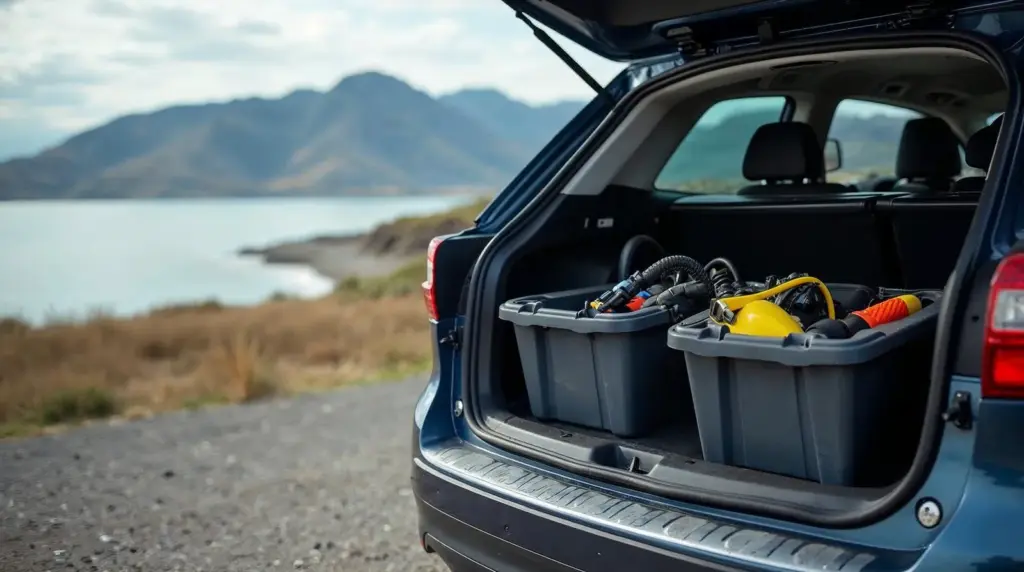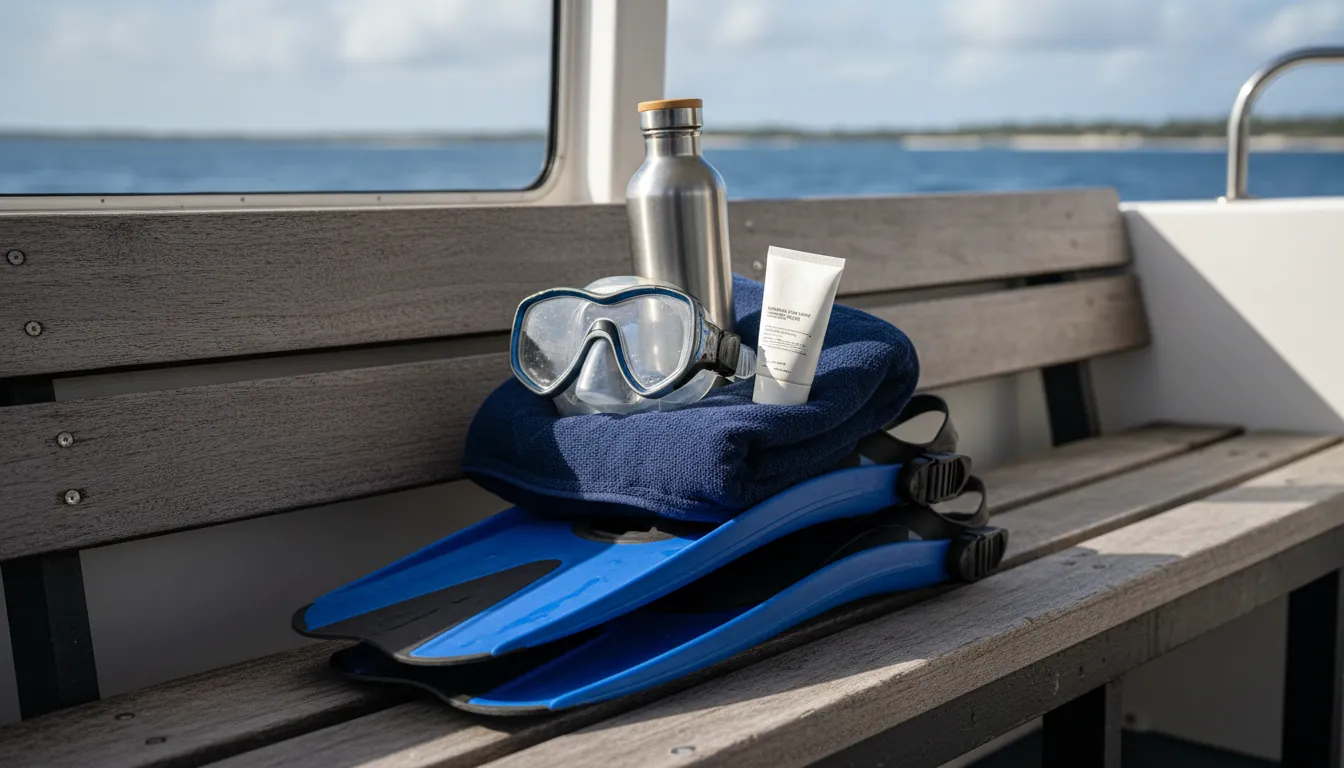
The first open-water course is a strange mix of excitement and logistics. You have probably spent weeks thinking about breathing underwater, clearing a mask, and kneeling on a sandy patch of seabed. What often gets forgotten is the small pile of personal kit that makes the difference between a comfortable session and a long, shivery afternoon on a boat. A swimsuit, towel, dry change of clothes, and reef-safe sunscreen are all essential basics. Simple extras like a reusable water bottle and hair ties can also make the day run far more smoothly.
Many dive centres will provide the heavy hardware. Tanks, regulators, buoyancy jackets, weight systems and dive computers are normally included in the course fee. Your job is to bring the personal layers, the sun protection, and the small items that keep you warm, hydrated and organised between the training briefings and the water entries. You will also want flip-flops or water shoes for moving around the dive site.
What the Dive Centre Provides
One note for anyone training in some regions. Some centres have changed their mask and snorkel rental policies in recent years, so confirm whether personal masks are provided or whether you need to bring your own. This shift means you should also ask if defog solution is supplied, as it is often tied to mask availability. A quick call before the first pool or confined-water session saves a last-minute dash to a dive shop. Packing your own well-fitting mask guarantees comfort and a proper seal, which is essential for an enjoyable first dive.
Personal Items That Belong in Your Bag
Start with the obvious layers. A swimsuit goes under your clothes or wetsuit, and a two-piece or close-fitting athletic style usually works best because it does not bunch under neoprene. Pack a quick-dry towel, preferably microfiber, because it takes up little room and dries fast between the pool and the boat. You will also want a complete change of dry, comfortable clothes for after the dive. A reusable water bottle is essential for staying hydrated, which helps prevent cramping. Finally, bring reef-safe sunscreen free of oxybenzone and octinoxate to protect the marine environment. Staying hydrated supports circulation and can help with equalisation, and many dive centres have water refill points. Look for sunscreen formulas without oxybenzone and octinoxate, and apply it before you put on your wetsuit to protect both your skin and the reef.
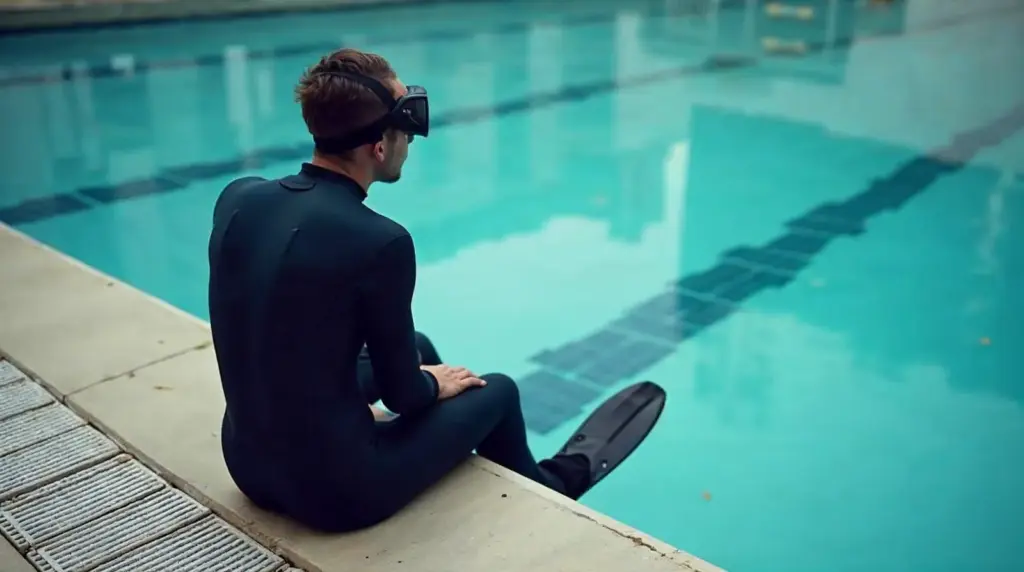
Long hair should be tied back or tucked under a swim cap or buff so it does not pull against the mask strap. This helps maintain a reliable seal and keeps your vision clear. Flip-flops or water shoes make rocky shore entries and wet boat decks far easier to manage. They protect your feet from sharp surfaces and slippery spots. A quick-dry microfiber towel is also a smart addition because it packs down small and dries fast after your dive.
Small Extras That Reduce Friction
A few optional items can make the day run more smoothly. If you are prone to seasickness on boat dives, non-drowsy motion sickness tablets taken 30 to 60 minutes before departure can help. Check with a pharmacist or doctor about what suits you, especially if you have never used them before. You might also bring a dive logbook or a digital app to record your first underwater experiences. An underwater camera secured with a lanyard lets you capture the memory without risking your equipment. Recording your first training dives builds a habit that pays off later, and your instructor can sign off on each entry to track your progress. An underwater camera or action cam should only be used when your instructor confirms it will not distract from skill practice, because mastering buoyancy and safety skills always comes before capturing footage.
Here is a sensible order for personal gear if you plan to buy a few items rather than rent everything. Start with a well-fitting swimsuit to wear under your wetsuit, as tight athletic styles prevent uncomfortable bunching. A quick-dry microfiber towel and a complete change of dry clothes will keep you comfortable after the dive. Bring a reusable water bottle to stay hydrated, which helps prevent cramping, and apply reef-safe sunscreen before suiting up. Finally, pack flip-flops for wet surfaces and a hair tie or swim cap to keep long hair clear of your mask seal.
- A well-fitting mask is the first purchase because a leaky rental mask can ruin an entire session.
- Neoprene boots or booties come next, since they improve fin fit and keep your feet warm on rocky entries.
- A surface marker tube and whistle are useful safety accessories that many schools expect certified divers to carry later.
- A small LED light helps you look into shaded ledges and makes you easier to spot in low visibility.
- Paramedic shears or a line cutter are cheap, compact and useful if fishing line or netting appears during a shore dive.
- A wrist dive computer is worth considering once you know you will keep diving regularly.
- A simple gear bag keeps wet and dry items separate on boats and in the car.
Understanding the Confined-Water Phase
Packing for a pool session is simpler than packing for a boat day. You still need swimwear, towel, water and sunscreen. But you can usually leave motion sickness tablets and heavy weather protection at home. The main goal is to arrive early, rested and ready to spend time kneeling or hovering in shallow water. Do not underestimate how tiring confined-water practice can be. New divers often feel mentally drained after a couple of hours of controlled breathing and repeated skill drills. Packing a snack helps you refuel, and a warm layer keeps you comfortable once you are out of the water. A dry bag is also essential for protecting your phone and wallet from splashes.
Why a Dive Computer Comes Later
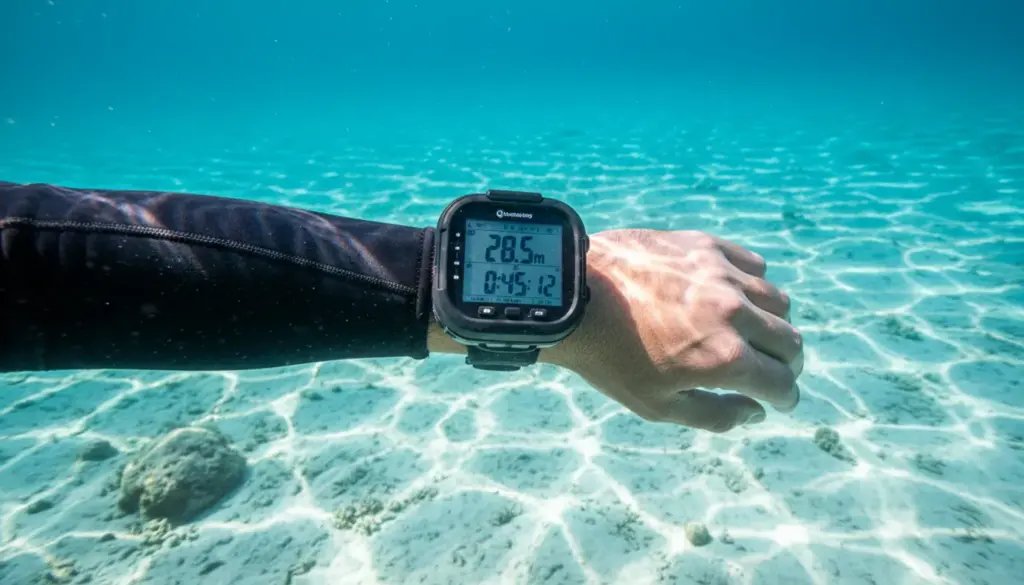
A wrist-mounted computer that is nitrox ready, easy to read and simple to operate will serve you on local reef trips and overseas holidays alike. This kind of device tracks your depth, time and decompression limits so you can dive more safely. You do not need the most expensive model. Look for one with audible and visual alarms, dive planning functions and a log that stores your recent dives. Personal gear such as a mask, fins, and boots often comes before the computer for comfort reasons. A well-fitting mask and comfortable fins make it easier to relax and focus on your skills. If your rented fins feel heavy or your mask leaks, buying your own can transform the experience. Once you know you will keep logging dives after certification, the computer is the next logical step.
Packing for Gulf Conditions
A blanket or small tarp is useful for laying out equipment during shore briefings, and it helps keep sand off your gear. Dust and sand get into everything, so use dry bags or zip-lock pouches for electronics, spare clothes and snacks. A simple lunch plus extra water keeps your energy steady through a long training day. Proper hydration is essential for preventing cramps and aiding equalization, so pack more water than you think you will need.
Before You Leave the House
The open-water course is not a test of how much gear you own. It is a test of preparation, patience and attention. Bring the personal items that keep you warm, hydrated and comfortable, such as a swimsuit, towel and dry change of clothes. Let the dive centre handle the heavy equipment like tanks, regulators and buoyancy control devices.